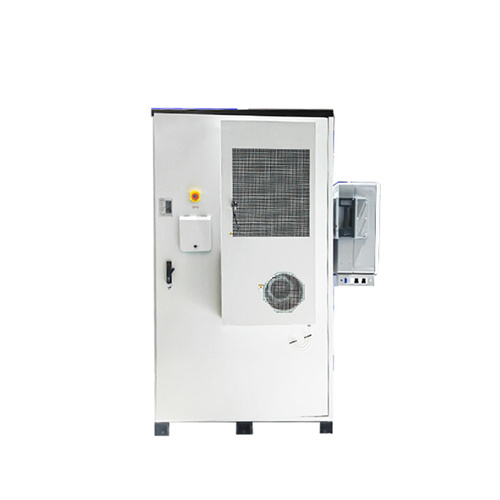
AP 535 RESTRICTED POWER MODE WIRELESS ACCESS

Energy storage system access to the power grid industry standard
Filling gaps in energy storage C&S presents several challenges, including (1) the variety of technologies that are used for creating ESSs, and (2) the rapid pace of advances in storage technology and applications, e.g., battery technologies are making significant breakthroughs relative to more established. . The challenge in any code or standards development is to balance the goal of ensuring a safe, reliable installation without hobbling technical innovation. This hurdle can occur when the. . The pace of change in storage technology outpaces the following example of the technical standards development processes. All published. [pdf]FAQS about Energy storage system access to the power grid industry standard
Does industry need energy storage standards?
As cited in the DOE OE ES Program Plan, “Industry requires specifications of standards for characterizing the performance of energy storage under grid conditions and for modeling behavior. Discussions with industry professionals indicate a significant need for standards ” [1, p. 30].
Is energy storage a future power grid?
For the past decade, industry, utilities, regulators, and the U.S. Department of Energy (DOE) have viewed energy storage as an important element of future power grids, and that as technology matures and costs decline, adoption will increase.
Are energy storage codes & standards needed?
Discussions with industry professionals indicate a significant need for standards ” [1, p. 30]. Under this strategic driver, a portion of DOE-funded energy storage research and development (R&D) is directed to actively work with industry to fill energy storage Codes & Standards (C&S) gaps.
What is electrical energy storage?
e mixed energy resources. As a result, the power network es unpredictable demandsof providing co rent electricity supply. Electrical Energy Storage ( tential in eeting thesechallenges. According to the U.S. Department of Energy the suitability te at which these can bestored and delivered. Other characteristics to consider are round-tr
What is a battery energy storage system (BESS) e-book?
This document e-book aims to give an overview of the full process to specify, select, manufacture, test, ship and install a Battery Energy Storage System (BESS). The content listed in this document comes from Sinovoltaics’ own BESS project experience and industry best practices.
Can ultracapacitors be used in grid 6 energy storage systems?
their deployment in grid 6 energy storage systems. At present, fully installed costs are , ultracapacitors are now39 being piloted in ears; they are now widely41 commercialized in hybrid bus, rail, and automotive applications, as well as back-up power applications such as wind pitch control systems and uni

Home solar power generation grid access
For financial benefit. Connecting your solar PV system to the grid allows you to take advantage of the FIT, which gives you a fixed amount of money for each kWh of electricity you generate. On top of these payments for energy generation, you also receive a sum of money for feeding any surplus energy into the grid. By. . Your installer should do most of the hard work for you. Once your system is set up, your installation company will supply all of the necessary information to your District Network Operator (DNO),. . For smaller systems, the installer will generally only need to inform the DNO of your connection within 28 days, providing that your system complies with engineering. . If you bought your property after 1st October 2008, you should already have one, as the builder or previous owner was legally obliged to provide it. If you purchased your property before this deadline, you may need to. . In addition to the tests carried out by the DNO, you will also have to provide your FIT supplier with an Energy Performance Certificate (EPC). This. [pdf]