DFG SERIES LEAD ACID BATTERY WITH UPS SYSTEMS
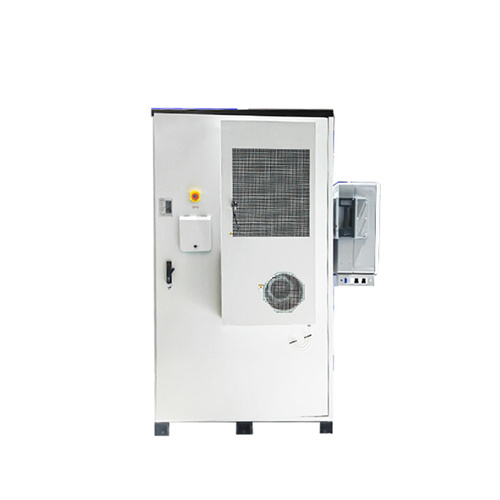
Solar photovoltaic energy storage battery lead acid
While the chemistry of lead acid batteries is quite simple, writing out all the chemical equations can make it seem very complicated, so we’ll try to explain it without all of that. The simplest version of a lead acid battery consists of three things: 1. A metal plate made of lead and antimony with a negative charge 2. A positively. . Automotive batteries are not well-suited for storing energy for home use because they are designed to give short bursts of electricity that are used to. . Here’s where the rubber meets the road. There are three main types of deep cycle lead acid batteries, and each has its own benefits and drawbacks. They include: 1. Flooded lead acid. . The short answer to this question is no, lead acid batteries are not better than lithium ion batteries. It is worth noting, however, that lithium ion is a newer battery technology that has. Deep cycle lead – acid batteries are better for storing solar energy than car batteries because they can deal with being used up and recharged many times. [pdf]FAQS about Solar photovoltaic energy storage battery lead acid
What are lead acid batteries for solar energy storage?
Lead acid batteries for solar energy storage are called “deep cycle batteries.” Different types of lead acid batteries include flooded lead acid, which require regular maintenance, and sealed lead acid, which don’t require maintenance but cost more.
Are lead-acid batteries good for photovoltaic systems?
Limited lifespan: Although durable, lead-acid batteries tend to have a shorter lifespan compared to some more expensive alternatives, which may require periodic replacements. In summary, lead-acid batteries are a solid and reliable option for energy storage in photovoltaic systems.
How do I choose a solar lead acid battery?
Understanding the different types of solar lead acid batteries is crucial in choosing the correct one for your solar power system. Factors such as intended usage, maintenance requirements, and budget should be considered when selecting. For more information on solar lead acid batteries and their applications, you can visit Solar Power World.
What is a lead-acid battery?
Lead-acid batteries are a type of rechargeable battery that uses a chemical reaction between lead and sulfuric acid to store and release electrical energy. They are commonly used in a variety of applications, from automobiles to power backup systems and, most relevantly, in photovoltaic systems.
Are flooded lead acid batteries suitable for off-grid solar systems?
Flooded lead acid batteries are known for their durability and ability to handle deep discharges, making them suitable for off-grid solar systems. Sealed lead acid batteries, or SLA batteries, are maintenance-free batteries that do not require the user to check or refill electrolyte levels.
What is a sealed lead acid battery?
Sealed lead acid batteries, or SLA batteries, are maintenance-free batteries that do not require the user to check or refill electrolyte levels. They are sealed to prevent leakage and corrosion and are often used in small-scale solar power systems.

Morocco home backup battery systems
This article provides information on home battery and backup systems, including air-cooled generators, wet cell batteries, AGM batteries, solar panels and their compatibility with different types of energy storage systems. The article also includes a list of top choices for whole-home battery backup systems based on. . A home battery and backup system is a great way to provide clean, eco-friendly energy to your entire home throughout the year. If you have a power outage, consider installing a set of backup. . The market leader in battery backup systems with 13.5kWh capacity, 10-year warranty and an intuitive companion app for monitoring energy distribution and use. You can connect up to 10 units to adapt to changing energy needs. . The standard Generac PWRcell system provides 9kWh of storage capacity from three Lithium Ion battery modules rated at 3.0kWh with modular design that can expand up to 36kWh with ten-year limited guarantee and an app for. [pdf]FAQS about Morocco home backup battery systems
What is a home battery backup system?
A home battery backup system is an energy storage solution that stores electricity for use during power outages or high-demand periods. When connected to your home's electrical system, these batteries can supply power during blackouts, offering an alternative to traditional generators.
Are home battery backup systems a good investment?
Home battery backup systems represent a significant advancement in residential energy management. They offer increased energy independence, protection against power outages, and the potential for long-term cost savings. While the upfront costs can be high, declining prices and government incentives make these systems increasingly accessible.
Do you get a commission if you buy a battery backup system?
If you get an estimate or make a purchase through this link, we may receive a commission. Home battery backup systems, like the Tesla Powerwall or the LGES 10H and 16H Prime, store energy, which you can use to power your house during an outage. Batteries get that electricity from your home solar system or the electrical grid.
What are the different types of home battery backup systems?
The three main types are lithium-ion, lead-acid, and flow batteries. Lithium-ion batteries are a common type used in home battery backup systems. They’re known for having high energy density and relatively low maintenance requirements and can cycle thousands of times before their capacity significantly degrades.
Should you use a home battery backup system during a blackout?
With power outages becoming more frequent due to severe weather and aging infrastructure, many homeowners are turning to home battery backup systems for reliable, uninterrupted power. These systems not only protect your home during blackouts but can also help you save on energy costs and reduce your environmental impact.
How much does a home battery backup cost?
Exact pricing will vary based on which battery model you choose and how many of them you need to power your home. However, it's common for an average-size home battery backup system to run between $10,000 and $20,000. For generators, the upfront costs are slightly lower.
