FOUNDATION SCREW PILING MACHINE PHOTOVOLTAIC GROUND NAIL PILING MACHINE
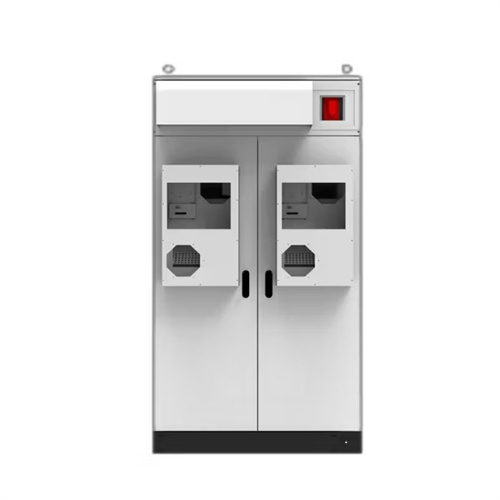
Introduction to the photovoltaic panel framing machine
A machine called a solar panel framing machine is used in the process of making solar panels. It helps to position and secure the solar cells, back sheets, and other parts inside an aluminum frame.. A machine called a solar panel framing machine is used in the process of making solar panels. It helps to position and secure the solar cells, back sheets, and other parts inside an aluminum frame.. Framing machines assemble the frame of a solar PV module and place it inside the frame. The process starts with the frame assembly table, which assembles the frame of the module. [pdf]FAQS about Introduction to the photovoltaic panel framing machine
What is a solar panel framing machine?
It is really important in putting together a solar panel. A machine called a solar panel framing machine is used in the process of making solar panels. It helps to position and secure the solar cells, back sheets, and other parts inside an aluminum frame. We will learn about the structures and components of machines used for making solar panels.
Why do solar companies use automatic framing machines?
Frankly speaking that top solar companies are now using automatic framing machines to reduce the labor cost so as to make their solar panel\'s price more competitive. Solar panel framing refers to the process of attaching protective and strengthening frames to the PV laminates of a solar panel.
What is a photovoltaic (PV) manufacturing process?
The photovoltaic (PV) manufacturing process is the first step in the production of solar panels. This process involves the fabrication of PV cells, which are made up of semiconductor materials such as silicon. The operator cuts the cells into small squares and places them on a substrate.
What are the basics of solar panel manufacturing?
The basics of solar panel manufacturing are very important when it comes to the solar panel production business. Selecting the appropriate equipment is crucial to ensure top-notch outcomes. In particular, a production line requires various types of tools and machines, including soldering tools, wire strippers, drills, and testing equipment.
What are the last steps in photovoltaic module production?
Sorting and packing are the last steps in module production. Sorting machines are used in a variety of industries to grade the finished product. In photovoltaic module production, they are used to quickly and accurately separate solar modules into different categories based on their specifications.
How can automation improve the production of solar panels?
Special requirements for the packing process. Once the packing plan has been created, manufacturers can use software to automate the packing. Framing, sorting, and packing is the final step in the production of solar panels. Automation can help prevent errors and make the process more efficient.

Is a photovoltaic energy storage machine an inverter
A solar inverter or photovoltaic (PV) inverter is a type of which converts the variable (DC) output of a into a (AC) that can be fed into a commercial electrical or used by a local, electrical network. It is a critical (BOS)–component in a , allowing the use of ordinar. [pdf]FAQS about Is a photovoltaic energy storage machine an inverter
What is a solar power inverter?
These inverters are used in stand-alone solar systems that are not connected to the electrical grid. They convert DC solar energy to AC to power devices and systems in remote or off-grid areas. Power inverters transform direct current into alternating current and are used in photovoltaic solar energy systems.
How does a photovoltaic inverter work?
Photovoltaic solar panels convert sunlight into electricity, but this is direct current, unsuitable for domestic use. The photovoltaic inverter becomes the protagonist, being vital for solar installations as it converts direct current into alternating current. This process allows integrating solar energy into our homes.
Why are solar inverters important?
The Critical Role of Solar Inverters The importance of solar inverters extends beyond mere conversion of current. They serve as the brain of a solar power system, performing several vital functions: Energy Conversion: By converting DC to AC, inverters make solar-generated electricity applicable for everyday use.
What does a PV inverter do?
A PV inverter performs several essential functions within a solar energy system. The primary function is converting the DC power generated by the solar panels into AC power, which is achieved through a process called inversion.
What are the different types of solar power inverters?
There are four main types of solar power inverters: Also known as a central inverter. Smaller solar arrays may use a standard string inverter. When they do, a string of solar panels forms a circuit where DC energy flows from each panel into a wiring harness that connects them all to a single inverter.
How efficient is a solar inverter?
Efficiency—is the amount of energy the inverter can supply. Ideally, you want an inverter that is 96% efficient or higher. Oversizing means that the inverter can handle more energy transference and conversion than the solar array can produce. The inverter capabilities are more significant than the solar array maximum energy production rating.

How to use the welding machine on photovoltaic panels
The welder power requirement formula is: Voltage x amps / efficiency = watts / kilowatts To give an example: 24V x 150 amps / .85 efficiency = 4,235 watts or 4.3kwh rounded off. A welder needs 4235 watts to run. . The most popular welding types are MIG, TIG and stick. But there is no single best welding for solar, because it depends on the job you have to do. MIG welding is the simplest to learn. . A solar generator is more convenient to use for welding than a solar panel, as a single power station can generate up to 5000W. In contrast you have to install several solar panels to produc. . Before you purchase a welder, check the spec sheet and make sure your solar power system meets the requirements. The most important are the minimum circuit size, the optimum circuit si. . Earlier we pointed out that welders are not used continuously, so it won’t use up that much power. Welder size is measured in volts, amps and duty cycle. The duty cycle indicates how lon. [pdf]FAQS about How to use the welding machine on photovoltaic panels
Can solar panels power a welding machine?
Solar panels can power a welding machine anytime, anywhere. You get to do your welding work even when you're off-grid. You'll not save hundreds of dollars for running your welder with solar panels, but you'll definitely note an offset on your monthly electricity bills.
Can a solar generator be used for welding?
A solar generator is more convenient to use for welding than a solar panel, as a single power station can generate up to 5000W. In contrast you have to install several solar panels to produce the power required by welding machines. There are a lot of different welding processes, so their power usage will vary.
Can a solar inverter run a welder?
Technically, you can run any welder size as long as you have enough solar power. Powerful solar panels and batteries are a given, but the welder will run only if the inverter can handle the power being supplied by the battery. Remember, solar panels charge the battery, the battery supplies the power to the inverter which goes into the welder.
How much solar power does a welder need?
A 3000W solar generator or 7 to 8 x 300W solar panels can power a welding machine with five hours of sunlight. The welder power requirement formula is: Voltage x amps / efficiency = watts / kilowatts To give an example: 24V x 150 amps / .85 efficiency = 4,235 watts or 4.3kwh rounded off. A welder needs 4235 watts to run for 1 hour.
Is a solar power station a good choice for welding?
This packs a lot of power and is not everyone, but if you need power it is right up there. But if you only weld occasionally,, there is the TPE Portable Power Station, with 1000 running watts and 2000 surge watts capacity. This is a good option if you are also new to welding and want to see if solar power is for you.
How many solar panels do you need to weld?
To use a welder for 30 minutes you need about 8 x 300W solar panels or a 3000W solar generator. To weld for an hour, you have to double that to 600W for a generator or 16 x 300W solar panels. That seems like a lot and it is. But keep in mind these figures assume the welding machine runs continuously.