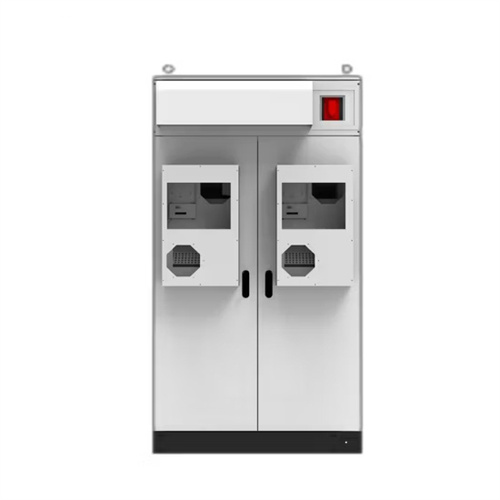
GENERATOR EXHAUST STACKS

Generator Air Intake and Exhaust Regulations
The term ‘specified generator’ covers an individual generator or a number of generators if they’re: 1. on the same site 2. operated by the same operator 3. for the same purpose (generating electricity) Generators are still classed as operating for the same purpose if they’re: 1. using different fuels or technologies 2.. . Both the MCPDand specified generator regulations can apply to generators. If your site includes a medium combustion plant that generates electricity you must check if your generator: 1. is. . Specified generator controls, unless excluded, apply to generators with a rated thermal input between 1MWth and 50MWth. They also apply to generators less than 1MWth, if they: 1. have a capacity agreement or an. . These generators are excluded from specified generator controls. For a MCP that generates electricity you must also check if the MCP is excluded from the MCPD controls. . Some operators have more time to get their permit in place and comply with permit conditions (this is called a transitional arrangement).. [pdf]FAQS about Generator Air Intake and Exhaust Regulations
What are the code requirements for generator exhaust?
To investigate code requirements for generator exhaust it is important to start by reviewing the International Mechanical Code® (IMC). Section 915 of IMC 2018 regarding Engine and Gas Turbine-Powered Equipment and Appliances is applicable stating: 915.1 General.
Does high temperature pressurized generator exhaust meet code requirements?
UL listed products utilized for high temperature pressurized generator exhaust meet code requirements. To investigate code requirements for generator exhaust it is important to start by reviewing the International Mechanical Code® (IMC). Section 915 of IMC 2018 regarding Engine and Gas Turbine-Powered Equipment and Appliances is applicable stating:
Does engine generator set meet emissions requirements?
Engine generator set shall meet emissions requirements as determined by AHJ. Type your questions, comments, feedback in the WebEx Q&A box. We will get to as many questions as we can
Do I need a permit for a generator?
Both the MCPD and specified generator regulations can apply to generators. If your site includes a medium combustion plant that generates electricity you must check if your generator: Check using the guidance on Medium combustion plant: when you need a permit. These generators are excluded from specified generator controls.
What temperature should a field fabricated generator exhaust be insulated?
To protect potential personal contact with the system, the outer shell temperature must be below 140°F. These temperature calculations can and should be performed by the UL listed manufacturer based on specific product design criteria. Field-fabricated generator exhaust also requires insulation.
Do generators have to meet ELV requirements?
The emission limit values (ELVs) and air quality standards specified generators must meet, including the deadlines for complying. If your generator’s capacity is more than 1 megawatt thermal you may also need to comply with the medium combustion plant ELV requirements.

Generator exhaust temperature
On the high-end side of the expense scale is a temperature probe unit, or thermocouple, which is embedded in some portion of the exhaust system or cylinder head and sends data automatically. Once installed, tracking exhaust temperatures would be a snap. The drawback to this system is the price: they’re. . A less costly, and more practical option involves the use of infrared instruments. With this approach, however, the question of where to obtain the readings becomes the issue. The best place to get the highest readings is at the. . If a facility is unable to make the 30% of nameplate rating and does not have the exhaust temperatures that demonstrate the generator is sufficiently loaded, an annual supplemental “load run” will need to be performed. As stated. [pdf]