LATEST WIND POWER NEWS AMP ANALYSIS WINDPOWER MONTHLY

Latest version of wind power generation specification standard
IEC 61400-1:2019 specifies essential design requirements to ensure the structural integrity of wind turbines.. IEC 61400-1:2019 specifies essential design requirements to ensure the structural integrity of wind turbines.. IEC 61400-12-1:2022 specifies a procedure for measuring the power performance characteristics of a single wind turbine and applies to the testing of wind turbines of all types and sizes connected to the electrical power network.. IEC 61400-1:2019 specifies essential design requirements to ensure the structural integrity of wind turbines. Its purpose is to provide an appropriate level of protection against damage from all hazards during the planned lifetime. This document is concerned with all subsystems of wind turbines such as control and protection functions, internal . . The International Electrotechnical Commission (IEC) is the leading global organization that prepares and publishes International Standards for all electrical, electronic and related technologies.. Standardization in the field of wind energy generation systems including wind turbines, wind power plants onshore and offshore and interaction with the electrical system (s) to which energy is supplied. These standards address site suitability and resource assessment, design requirements, engineering integrity, modeling requirements . [pdf]FAQS about Latest version of wind power generation specification standard
What are the design requirements for wind energy generation systems?
Wind energy generation systems - Part 1: Design requirements IEC 61400-1:2019 specifies essential design requirements to ensure the structural integrity of wind turbines. Its purpose is to provide an appropriate level of protection against damage from all hazards during the planned lifetime.
What is standardization in wind energy generation systems?
Standardization in the field of wind energy generation systems including wind turbines, wind power plants onshore and offshore and interaction with the electrical system (s) to which energy is supplied.
What is the IEC 61400-1 standard for wind turbines?
For wind turbines of more than 200m2 swept area, but less than 50kW rated electrical power, the IEC 61400-1 Wind Energy Generation Systems – Part 1; Turbines – Design Requirements standard (Edition 4.0 published 16th September 2019) is available.
What is the most common wind turbine design?
A tall tower with three large blades on a horizontal axis is the most common wind turbine design. IEC 61400-1:2019 describes information on how to properly install, assemble, and erect wind turbines. This can include, for example:
What are the validation procedures for wind turbine models?
The validation procedures are based on the tests specified in IEC 61400-21 (all parts). The validation procedures are applicable to the generic models specified in IEC 61400-27-1 and to other fundamental frequency wind power plant models and wind turbine models. The validation procedures for wind turbin... view more
What is a small wind turbine safety standard?
This standard was created by the small wind turbine industry, scientists, and consumers. It was designed to provide consumers with realistic and comparable performance ratings, and an assurance the small wind turbine products certified to this standard have been engineered for safety and operation.

Wind power blade materials
Materials Revolutionizing Blade ConstructionFiberglass Composites Fiberglass composites, a combination of glass fibers and a polymer matrix, have been instrumental in the evolution of wind turbine blades. . Carbon Fiber Carbon fiber, known for its exceptional strength-to-weight ratio, is becoming increasingly prevalent in wind turbine blade construction. . Hybrid Materials . . Materials Revolutionizing Blade ConstructionFiberglass Composites Fiberglass composites, a combination of glass fibers and a polymer matrix, have been instrumental in the evolution of wind turbine blades. . Carbon Fiber Carbon fiber, known for its exceptional strength-to-weight ratio, is becoming increasingly prevalent in wind turbine blade construction. . Hybrid Materials . . Other wind turbine blade layers include:Lightweight core material such as balsa wood or polyurethane foam on the blade’s trailing sideMetal foil for lightning protectionPolyurethane paint and epoxy gelcoat for protection from wear [pdf]FAQS about Wind power blade materials
What materials are used in wind turbine blades?
Overview of Blade Design Composite materials are used typically in blades and nacelles of wind turbines. Generator, tower, etc. are manufactured from metals. Blades are the most important composite based part of a wind turbine, and the highest cost component of turbines.
Can advanced materials be used to make wind turbine blades?
Many researchers have exploited the merits of advanced materials in fabrication of wind turbine blades.
Why do wind turbine blades use composite materials?
Additionally, the properties of composite materials are improved by adding nano-materials which results in high strength and less weight. These are very much preferred materials in fabricating the wind turbine blade , , , , .
What makes a wind turbine blade a good choice?
We invite you to read: “The Aerodynamics of Efficiency: Innovations in Wind Turbine Design” Fiberglass composites, a combination of glass fibers and a polymer matrix, have been instrumental in the evolution of wind turbine blades. They offer a remarkable balance of strength and flexibility, making them an ideal choice for blade construction.
Are wind turbine blades bio-degradable?
The present materials used for constructing the wind turbine blade have superior mechanical properties, but these are bio-degradable and environmental hazardous. The establishment of wind energy causes heavy waste disposal matter due to bio-degradable property of the materials.
How much material will be recycled from wind turbine blades?
Finally, the amount of material coming from blades will fluctuate greatly as material will sporadically come from the decommissioning of single turbine or large windfarm. To summarize, the amount of material to be recycled coming from wind turbine blades will be varying in design and material, in quality and quantity.
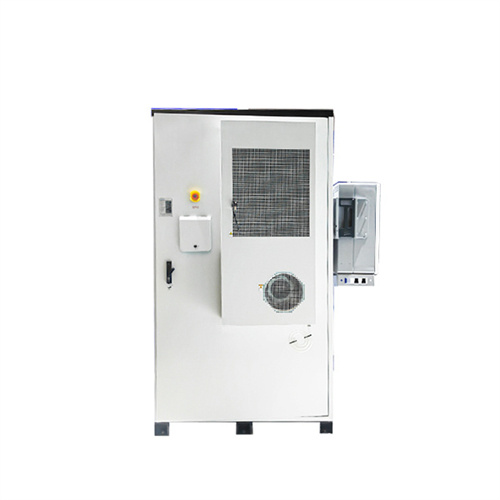
What is the power of wind power generation
Wind power is the use of energy to generate useful work. Historically, wind power was used by , and , but today it is mostly used to generate electricity. This article deals only with wind power for electricity generation. Today, wind power is generated almost completely with , generally grouped into and connected to the . Wind turbines, as they are now called, collect and convert the kinetic energy that wind produces into electricity to help power the grid. Wind energy is actually a byproduct of the sun.. Wind turbines, as they are now called, collect and convert the kinetic energy that wind produces into electricity to help power the grid. Wind energy is actually a byproduct of the sun.. Wind power is the use of wind energy to generate useful work. Historically, wind power was used by sails, windmills and windpumps, but today it is mostly used to generate electricity.. It involves using wind turbines to convert the turning motion of blades, pushed by moving air (kinetic energy) into electrical energy (electricity).. Wind power or wind energy is a form of renewable energy that harnesses the power of the wind to generate electricity.. Wind power generation refers to the technology of converting the kinetic energy of the wind into electric power through a wind turbine. [pdf]FAQS about What is the power of wind power generation
What is wind power?
Wind power is a form of energy conversion in which turbines convert the kinetic energy of wind into mechanical or electrical energy that can be used for power. Wind power is considered a form of renewable energy. Modern commercial wind turbines produce electricity by using rotational energy to drive a generator.
How does wind create power?
Wind power or wind energy is a form of renewable energy that harnesses the power of the wind to generate electricity. It involves using wind turbines to convert the turning motion of blades, pushed by moving air (kinetic energy) into electrical energy (electricity).
What is wind power & why is it important?
Wind power is a type of renewable energy that harnesses the kinetic power of wind for electricity generation. As one of the largest sources of sustainable and clean energy, wind power is essential to the journey towards net zero emissions. Humans have used wind energy for mechanical purposes since antiquity, using simple windmills to pump water.
What is the difference between wind energy and wind power?
The terms "wind energy" and "wind power" both describe the process by which the wind is used to generate mechanical power or electricity. This mechanical power can be used for specific tasks (such as grinding grain or pumping water) or a generator can convert this mechanical power into electricity.
What is a wind turbine?
The term windmill, which typically refers to the conversion of wind energy into power for milling or pumping, is sometimes used to describe a wind turbine. However, the term wind turbine is widely used in mainstream references to renewable energy (see also wind power).
How does a wind turbine turn mechanical power into electricity?
This mechanical power can be used for specific tasks (such as grinding grain or pumping water) or a generator can convert this mechanical power into electricity. A wind turbine turns wind energy into electricity using the aerodynamic force from the rotor blades, which work like an airplane wing or helicopter rotor blade.