OPTIMIZING BATTERY ENERGY STORAGE AND SOLAR PHOTOVOLTAIC SYSTEMS

Solar Photovoltaic Energy Storage Battery
. Batteries are by far the most common way for residential installations to store solar energy. When solar energy is pumped into a battery, a chemical reaction among the battery components stores the solar energy. The. . Common battery types for solar energy storage include lead-acid, lithium-ion, and saltwater batteries. [pdf]FAQS about Solar Photovoltaic Energy Storage Battery
What is solar PV & battery storage?
olar PV and Battery StorageEvery day, thousands of solar photovoltaic (PV) systems paired with battery storage (solar+ storage) enable homes and businesses across the country to reduce energy costs, support the power grid, and deliver back
How do I choose a solar battery storage system?
When choosing and installing a solar battery storage system, make sure your installer is signed up to the Renewable Energy Consumer code (RECC) or the Home Insultation and Energy Systems Contractor Scheme (HIES), as this means you'll be covered should you need to make a complaint or claim.
Which solar battery storage system is right for You?
The sonnenBatterie 10 is the perfect all rounder smart solar battery storage system for you if you’re looking to integrate it into an existing PV system or build a new system. Because this battery comes in 3 different sizes (5.5kWh, 11kWh, or 22kWh), you’re likely to be able to find one that fits your energy demand.
Should you use home batteries to store solar energy?
If you have solar PV panels, or are planning to install them, then using home batteries to store electricity you’ve generated will help you to maximise the amount of renewable energy you use. Storing your solar energy will reduce how much electricity you use from the grid, and cut your energy bills.
What are the energy storage options for photovoltaics?
This review paper sets out the range of energy storage options for photovoltaics including both electrical and thermal energy storage systems. The integration of PV and energy storage in smart buildings and outlines the role of energy storage for PV in the context of future energy storage options.
Is it worth getting a solar storage battery?
A solar battery allows you to store electricity produced by your solar panels and use it later or, in some cases, sell it back to the grid to make a few quid – but they're not cheap. Read on to see if it's worth getting a solar storage battery for your home... This is the first incarnation of this guide.
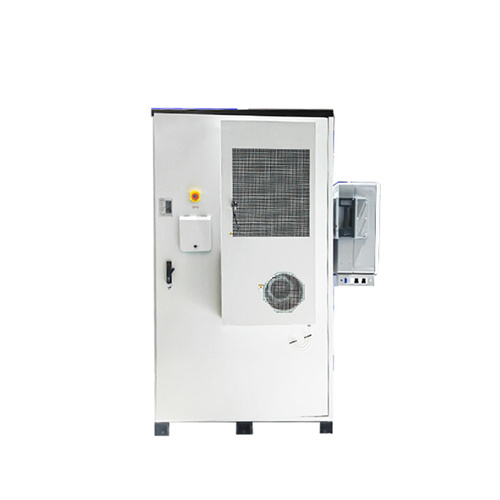
Solar photovoltaic energy storage battery lead acid
While the chemistry of lead acid batteries is quite simple, writing out all the chemical equations can make it seem very complicated, so we’ll try to explain it without all of that. The simplest version of a lead acid battery consists of three things: 1. A metal plate made of lead and antimony with a negative charge 2. A positively. . Automotive batteries are not well-suited for storing energy for home use because they are designed to give short bursts of electricity that are used to. . Here’s where the rubber meets the road. There are three main types of deep cycle lead acid batteries, and each has its own benefits and drawbacks. They include: 1. Flooded lead acid. . The short answer to this question is no, lead acid batteries are not better than lithium ion batteries. It is worth noting, however, that lithium ion is a newer battery technology that has. Deep cycle lead – acid batteries are better for storing solar energy than car batteries because they can deal with being used up and recharged many times. [pdf]FAQS about Solar photovoltaic energy storage battery lead acid
What are lead acid batteries for solar energy storage?
Lead acid batteries for solar energy storage are called “deep cycle batteries.” Different types of lead acid batteries include flooded lead acid, which require regular maintenance, and sealed lead acid, which don’t require maintenance but cost more.
Are lead-acid batteries good for photovoltaic systems?
Limited lifespan: Although durable, lead-acid batteries tend to have a shorter lifespan compared to some more expensive alternatives, which may require periodic replacements. In summary, lead-acid batteries are a solid and reliable option for energy storage in photovoltaic systems.
How do I choose a solar lead acid battery?
Understanding the different types of solar lead acid batteries is crucial in choosing the correct one for your solar power system. Factors such as intended usage, maintenance requirements, and budget should be considered when selecting. For more information on solar lead acid batteries and their applications, you can visit Solar Power World.
What is a lead-acid battery?
Lead-acid batteries are a type of rechargeable battery that uses a chemical reaction between lead and sulfuric acid to store and release electrical energy. They are commonly used in a variety of applications, from automobiles to power backup systems and, most relevantly, in photovoltaic systems.
Are flooded lead acid batteries suitable for off-grid solar systems?
Flooded lead acid batteries are known for their durability and ability to handle deep discharges, making them suitable for off-grid solar systems. Sealed lead acid batteries, or SLA batteries, are maintenance-free batteries that do not require the user to check or refill electrolyte levels.
What is a sealed lead acid battery?
Sealed lead acid batteries, or SLA batteries, are maintenance-free batteries that do not require the user to check or refill electrolyte levels. They are sealed to prevent leakage and corrosion and are often used in small-scale solar power systems.

Solar energy storage battery lithium iron phosphate
Lithium Iron Phosphate batteries are an ideal choice for solar storage due to their high energy density, long lifespan, safety features, and low maintenance requirements.. Lithium Iron Phosphate batteries are an ideal choice for solar storage due to their high energy density, long lifespan, safety features, and low maintenance requirements.. Using lithium iron phosphate batteries as the storage device for photovoltaic systems has the potential to significantly improve the efficiency and reduce the cost of solar power. [pdf]FAQS about Solar energy storage battery lithium iron phosphate
Are lithium iron phosphate batteries the future of solar energy storage?
Let’s explore the many reasons that lithium iron phosphate batteries are the future of solar energy storage. Battery Life. Lithium iron phosphate batteries have a lifecycle two to four times longer than lithium-ion. This is in part because the lithium iron phosphate option is more stable at high temperatures, so they are resilient to over charging.
Are lithium iron phosphate backup batteries better than lithium ion batteries?
When needed, they can also discharge at a higher rate than lithium-ion batteries. This means that when the power goes down in a grid-tied solar setup and multiple appliances come online all at once, lithium iron phosphate backup batteries will handle the load without complications.
Why should you use lithium iron phosphate batteries?
Additionally, lithium iron phosphate batteries can be stored for longer periods of time without degrading. The longer life cycle helps in solar power setups in particular, where installation is costly and replacing batteries disrupts the entire electrical system of the building.
Are lithium ion batteries the new energy storage solution?
Lithium ion batteries have become a go-to option in on-grid solar power backup systems, and it’s easy to understand why. However, as technology has advanced, a new winner in the race for energy storage solutions has emerged: lithium iron phosphate batteries (LiFePO4).
Are lithium phosphate batteries good for the environment?
The longer lifespan of lithium iron phosphate batteries naturally makes them better for the earth. Manufacturing new batteries takes energy and resources, so the longer they last, the lower the overall carbon footprint becomes. Additionally, the metal oxides in lithium-ion batteries have the dangerous potential to leach out into the environment.
Are lithium phosphate batteries recyclable?
Unlike basic Li-ion batteries, lithium iron phosphate batteries are built with non-toxic materials: iron, graphite and copper. They are easily recyclable, even able to be repurposed as new batteries. In fact, recycled batteries are already available to consumers looking to lessen their environmental impact.